




In an interesting article over at the New York Times 'Well' Blog, the pros and cons of sugar loading are brought to light. Well worth a read.
If you do a lot of running, do you ever worry about eating too much sugar? Some recent studies suggest that people who regularly work out don't need to concern themselves.
In an interesting article over at the New York Times 'Well' Blog, the pros and cons of sugar loading are brought to light. Well worth a read.
Get your running off to a good start with 10 top diet tips from Nathalie Jones, Dietitian at achilles heel.
1. Carbs - As runners, we all know the importance of carbohydrate to fuel our running. The question is, how much should we have? Too little and we feel lethargic on runs, take longer to recover and are prone to injury; too much and we risk feeling bloated and gaining weight. As a general rule, 2- 3 handfuls of carbohydrate at breakfast, lunch and dinner as well as a pre-run, carbohydrate snack an hour or so before running, is about right. If you are doing a long morning run, you would also benefit from another carbohydrate snack at supper time.
2. Fat - Fat is the least efficient food for our body to convert to energy. It also does not satisfy our appetite as well and we are therefore more likely to overeat. Keep any added fat such as butter, mayonnaise, oil or cream down to a minimum. Even "good" fats such as olive oil and the oils in nuts are high calorie, so even when substituting these for the "bad" fats in our diets, limit the amounts to a few tablespoons per day.
3. Alcohol - possibly the worst culprit of many bad runs! Alcohol dehydrates us and also hinders the breakdown of food, glycogen and body fat into sugar. This causes a low blood sugar level and leaves us feeling low in energy and, our runs, less than enjoyable.
4. Fruit and Vegetables - Us being the healthy runners that we are, know all too well about the need for our 5 a day. The anti-oxidants that they contain help keep our hearts healthy, their soluble fibre helps keep our cholesterol low and they fill us up. Easy ways to make it happen without too much hassle are to use frozen vegetables that can be quickly steamed in the microwave or salad vegetables that are already cut up or in bags. It is then as simple as just adding a handful to meals, lunch boxes and sandwiches.
5. Food diaries - Can be rather boring but are a great way of keeping track of what you are eating and can help resist the 3rd biscuit, once you have had to write down the 1st 2! They are also a helpful tool when preparing for a marathon. In your long runs leading up to the big day, plan and write down what you eat on the day before your training run. If the run goes well and you have sufficient energy, you can repeat the same intake for the day before your race.
6. Protein - despite much advice to eat more protein, most of us already eat double the protein that we actually need. Although runners need slightly more than the general population, excessive amounts will only be stored as fat (the same as having too much of any macro-nutrient) and can even cause kidney problems. For most people, having about a deck of card size of protein (meat, chicken, fish, eggs, pulses, nuts) for lunch and dinner is sufficient, bearing in mind that protein is also in dairy and, in small amounts, carbohydrate foods.
7. Snacks - Although it suits many people to have 3 main meals each day, it can suit runners to spread out their intake over 5 or 6 small snacks. This way, energy levels are more even throughout the day and you avoid the risk of feeling too full and sick if you are running within a few hours of a meal.
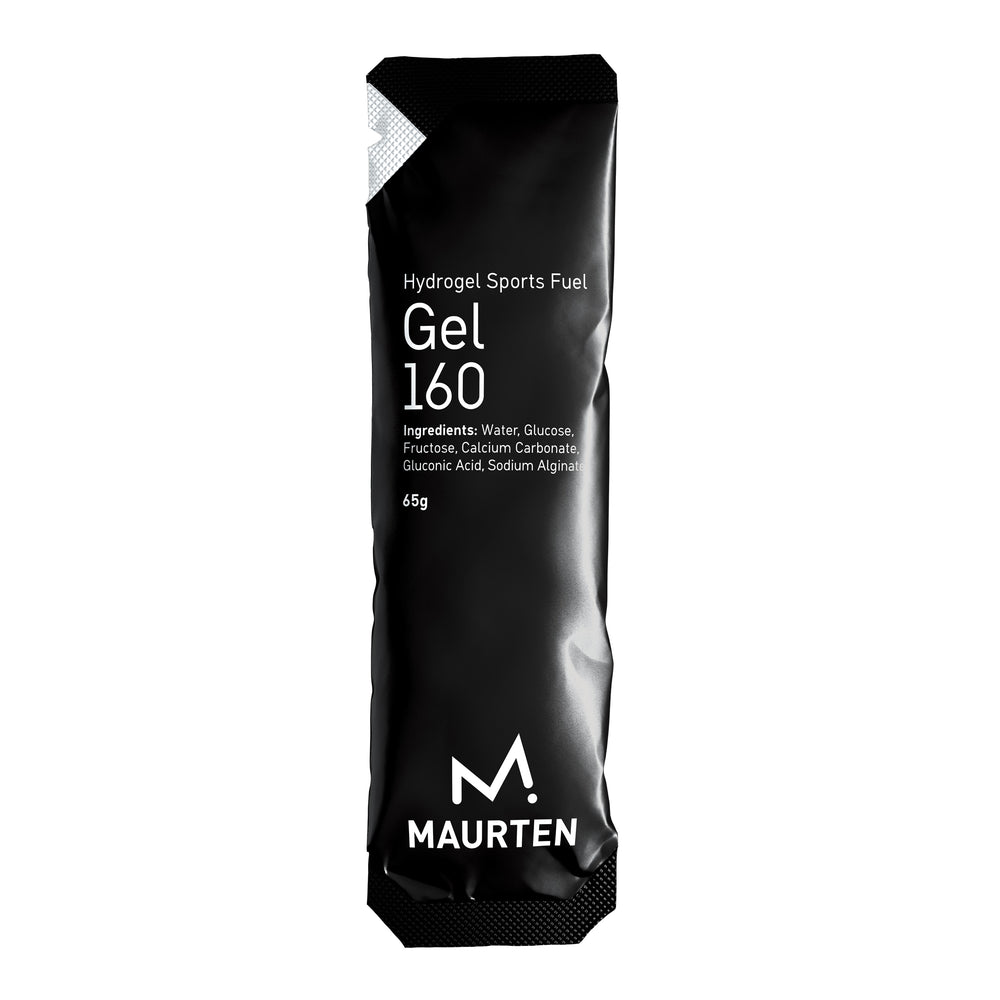
8. Fluid - Although water or water and diluting juice are the best, tea, coffee and soft drinks also count though probably won't quench your thirst as well. Aim for about 2litres of fluid per day, plus water during work outs or runs. Water or hypotonic sports drinks are fine for runs up to 90 minutes. After that you would benefit from isotonic sports drinks or carbohydrate snacks or gels.
9. Weight checks - It can be helpful to weigh yourself every month or so, to ensure your weight is staying stable or going up / down, depending on your goal. It is also helpful for you to know the weight that you run best at, so that you can aim for that weight for important races. Weighing yourself more than once a week is pointless though, as your weight will fluctuate daily and throughout a day due to water losses and retention.
10. Not well plan - Us healthy runners with great diets and healthy exercise plans are not meant to get ill but, if the inevitable happens and we catch a cold, what should we do? If we are not running for more over a week, we need to reduce our calorie intake or we will gain weight. The best thing to do, however, is to be guided by hunger. Make sure you are still eating and drinking regularly and having nutrient dense foods. These are foods that are high in nutrients such as a bowls of cereal, fruit smoothies, fruit and yogurt, vegetable soup and wholegrain bread and limit the empty calories such as sweets, crisps and non diet fizzy drinks.
The above are general tips to get you on your way and make a real difference to your running. For a personalised diet plan, tailored to your health, training and racing needs, contact Nathalie Jones, Dietitian at achilles heel.
web: www.nathalie-jones.co.uk
contact: 0141 357 3888
e-mail: nathalie.jones@ntlworld.com